
Add a battery to your existing solar panels
If your panels are sending most of their power to the grid while you buy it back in the evening, a battery fixes that. And yes, you can keep your Feed-in Tariff.
Why people add a battery
Your panels stay as they are
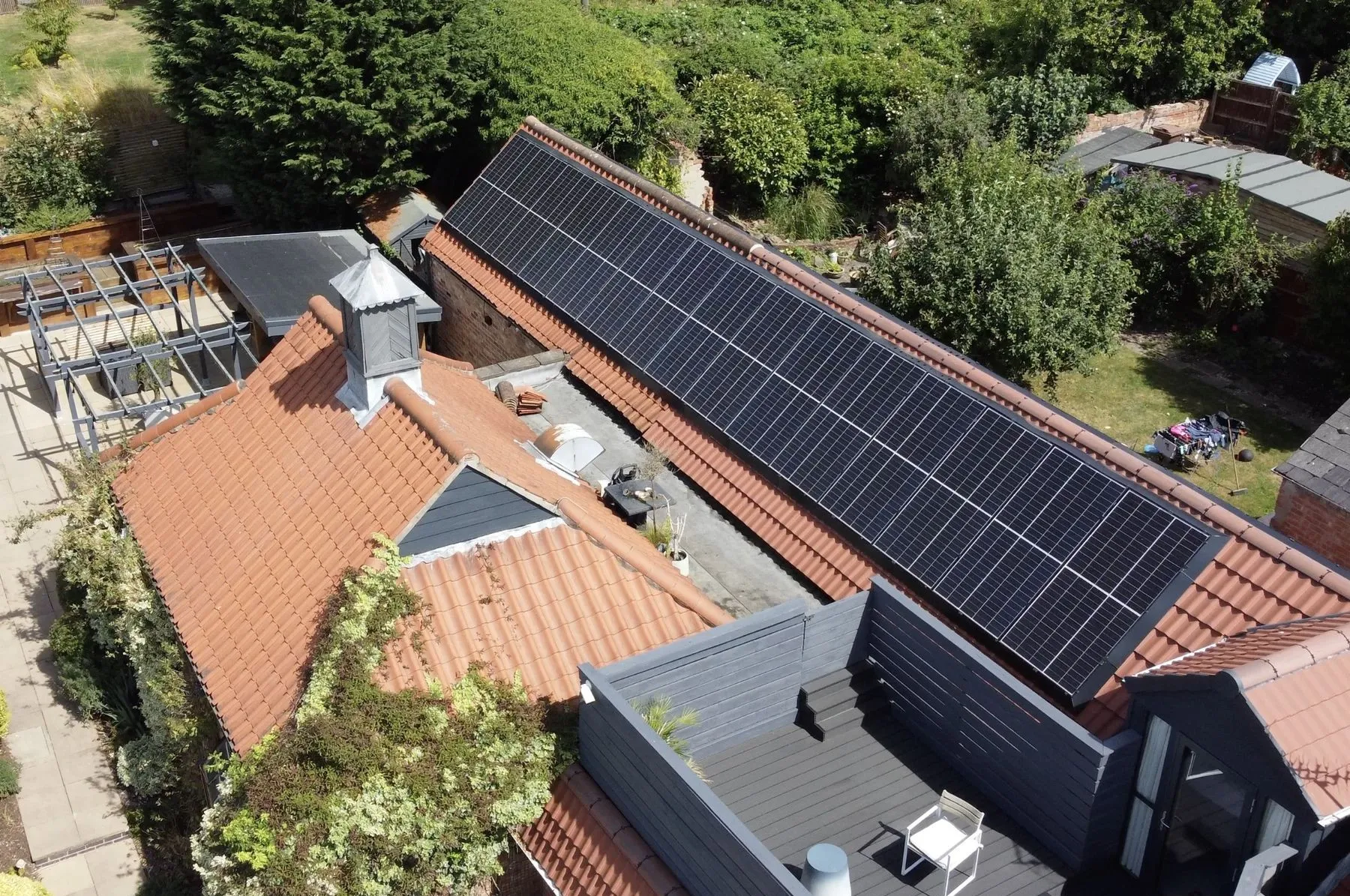
We don’t touch your existing array. The battery is added alongside it, so nothing on the roof changes.
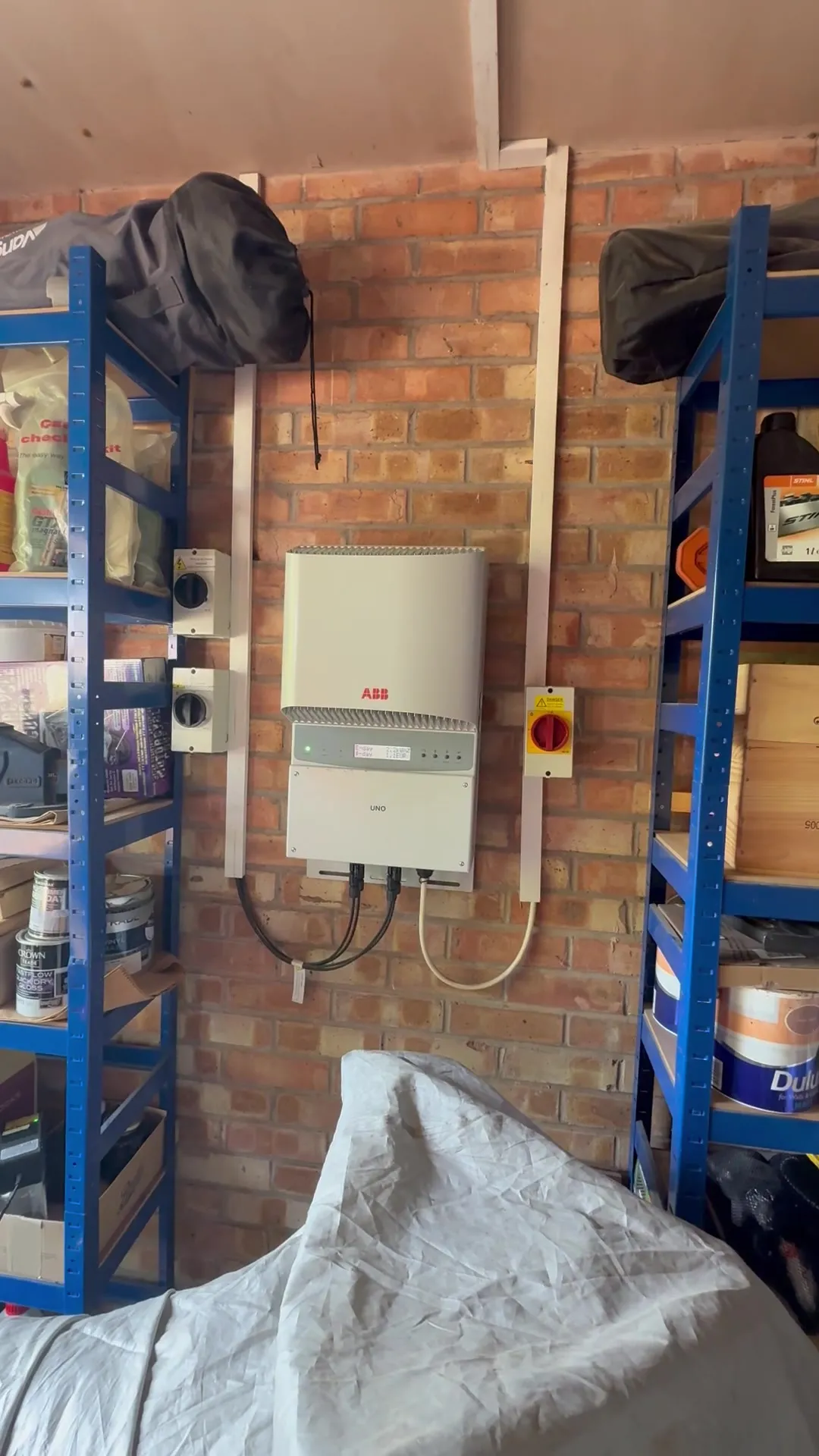
Keep your old inverter, or swap it
If your inverter is working well, the battery can go in alongside it. If it’s getting on, we can replace it at the same time. Done properly, either way is fine for the Feed-in Tariff.
Use your own sunshine
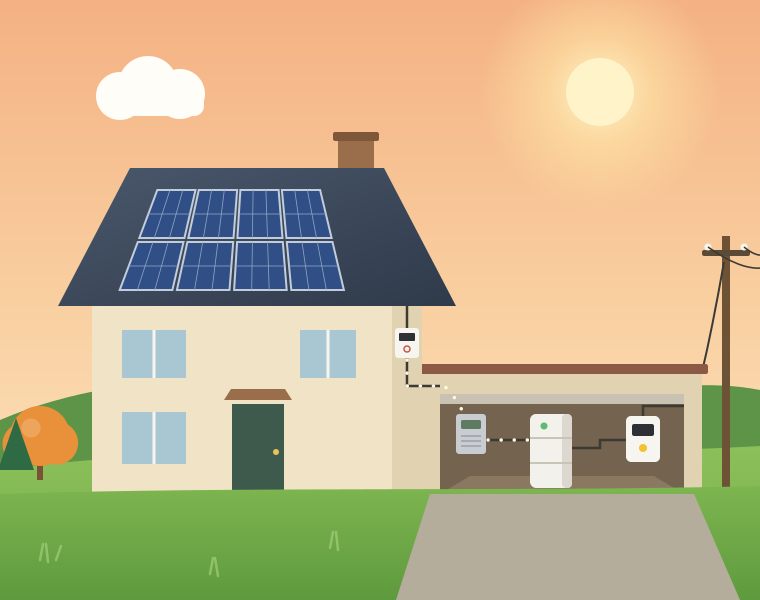
Store what your panels make in the day and run the house on it in the evening.
Your Feed-in Tariff, kept safe
We set the battery up so your generation meter still measures your panels exactly as before, and your FIT payments carry on. We notify your FIT supplier for you.
Backup when the grid drops
Add a Sigen Gateway and the house keeps running in a power cut.
Cheap overnight top-ups
In winter, charge the battery on a cheap night-time rate and avoid the expensive peak.



Keeping your Feed-in Tariff safe
Most older systems are on the Feed-in Tariff, and adding storage the wrong way can put those payments at risk. We fit the battery so that your original array and its generation meter stay as they are, whether it goes in alongside your existing inverter or we replace the inverter at the same time.
We handle the DNO application and notify your FIT supplier in line with Ofgem's guidance, so you don't have to.
What happens, start to finish
 1
1Free survey
Send us a photo of your inverter and a recent bill, or we’ll come and look. We check what you have and how you use power.
 2
2Your proposal
A battery sized to your evening use and your array, with honest figures and a fixed price. Your deposit is protected by IWA.
 3
3Installation
We fit the battery, and a new inverter if yours needs replacing. Your panels and generation meter stay as they are.
 4
4Handover
DNO paperwork done, your FIT supplier notified, the app on your phone and a proper walk-through.
Retrofit in Quorn
What was there
A 4 kWp solar array on the Feed-in Tariff, with its original inverter. The owner wanted to use more of that power at home in the evenings and make the most of dynamic battery tariffs, without putting the FIT payments at risk.
What we did
In August 2026 we replaced the original inverter with a new Sigenergy one and added an 18 kWh SigenStor battery in the garage. The panels and the generation meter were left exactly as they were, which keeps the system compliant for the Feed-in Tariff. We handled the DNO application and notified the FIT supplier.
How it's doing
The numbers below come straight from the system's own app. The homeowner watches the same thing live on their phone.
see more of our work →Figures cover the system's first two weeks in the app, 18 September to 2 October 2026: 166 kWh generated and 133 kWh used. Winter will look different, with less sun and more overnight top-ups on a cheap rate. We'll update these figures here every quarter.
Questions people ask us
Will adding a battery affect my Feed-in Tariff?
Not if it's done properly. Your existing array and generation meter are unchanged, whether we keep your inverter or replace it, and we notify your FIT supplier for you.
Does my old inverter need replacing?
Not always. If it's working well, the battery can work alongside it. If it's old or failing, we can replace it as part of the job, and that's fine for the Feed-in Tariff.
How big a battery do I need?
It depends on your evening usage and your array size. We look at your bills and generation data and size it to suit, not to the biggest box.
Can I add more batteries later?
Yes. With a modular battery, capacity can be added in steps.
Got panels? Let's have a look.
Send us a photo of your inverter and a recent bill, and we'll tell you honestly whether a battery makes sense.
★★★★★ 5.0 from over 120 Google reviews →